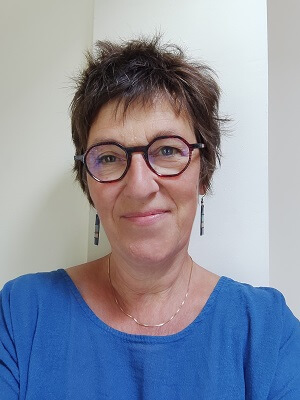
Presentation
As a psychotherapist, I am trained in the systemic approach. What does that mean? Whether I see you individually, as a couple, or as a family, I will pay attention to all the systems (family, professional, friendship, and others) that shape identity. None of these systems can sum us up, but they are threads, sometimes invisible, sometimes woven in over several generations, ties that make up our fabric.
I provide a safe and caring space for you to explore, at your own pace, what is causing you distress. Stress, psychological fatigue, bereavement, separation, family or professional relationship difficulties, a child who feels unwell, loss of bearings or self-confidence: sometimes you feel stuck, at the end of your rope. The therapeutic process aims to regain or discover what helps you, inspires you, strengthens your energy and your self-confidence.
In family situations, I may suggest an intervention in duo, with a colleague, to enrich the discussion and broaden the possibilities.
In my toolbox, I also have kinesiology. I am convinced that the mind cannot be separated from emotional, energetic, or physiological components. We are a whole. This is where kinesiology can come in, alongside therapeutic consultation. Depending on the difficulty you are going through, we may use it to loosen blocks that are sometimes deeply rooted. This technique is also extremely valuable with children, even babies, as well as with those who struggle to find the right words.
PRACTICALLY :
Psychotherapeutic sessions and/or kinesiology :
Individually: baby, child, teenager, adults;
As a couple: generally in co-therapy;
As a family: with children or among adults.
This presentation was translated by DocSelect.
Issues addressed
- Anxiety attacks
- Smoking cessation
- Burnout
- Grief
- Chronic pain
- Weight loss
- Phobias
- Stress
- Trauma
- Anxiety
- Relationship difficulties
- Learning difficulties
- Hypersensitivity
- Career guidance
- Eating disorders
- Sleep disorders
- Educational guidance
- Relationship crisis
Specialties
Specialties
- Brief therapy
- Systemic therapy
- Coaching
- Humanistic and holistic therapy
- NLP
- Aromatherapy
- Energy harmonization
- Individual
- Family
- Teenagers
- Child
Pickup starting at
0 - 4 years
5 - 8 years
9 - 12 years
13 - 16 years
Adolescents 17 and older